How It All Began
I did not set out to start a foundation.
I met Reuben on a platform that had been set up with the promise of helping people. It turned out to be something very different. The person running it spoke well and presented a compelling vision, but the cracks appeared quickly. Money raised for those in need was not reaching them. When someone passed away and funds were solicited, I was the only one who contributed. The owner did not put in a single thing. Funds donated so that people in Nigeria could buy recharge cards and join meetings were withheld, and who received support was decided along tribal lines. Concerns were raised, tensions grew, and one day a senior member confronted the owner directly and made clear that things could not continue. There was a confrontation. The platform shut down that day and everyone went their separate ways.
It was a painful lesson. I had spent years simply looking for places where I could genuinely help, and this experience sent me back into my corner. The desire to give had not gone anywhere. The trust had taken a knock.
It was Reuben who came back.
He reached out and suggested I start an NGO. My first response was honest: I was too busy, I did not have the time, and I had never run one before. Reuben said he would run it, if I would start it and support him. I looked at him and said something I meant completely: a good heart is not enough to run an organisation well. Neither of us had done this before. If we were going to do it, we were going to do it properly.
So before a single beneficiary was helped, before any work began in the community, I paid for Reuben to attend formal NGO management training. He went, he learned, and he came back better prepared than either of us had been before. We got our documentation in order, our constitution in place, everything we needed to operate with integrity.
Then we began.
Registration in Nigeria took almost a year. Red tape, delays, bureaucracy at every turn. We kept going. With limited funds and deep commitment we went into communities quietly, without announcing ourselves, identifying the people most in need. We would visit, bring food, sit with people, hear their stories, and begin the process of walking alongside them. Not handouts. A pathway. The same four stage model we still use today.
Along the way we discovered something that many already knew but that hit differently when you are standing in front of it: in Nigeria, if you have no money, you will not be treated. Medical care is simply withheld. So we opened an account with a local private hospital and made an arrangement: anyone who comes from DIEF, treat them, and we will pick up the bill.
A year after registering in Nigeria, we registered in Switzerland. Two countries, one mission.
There were nights, more than a few, where Reuben and I worked through until morning, two nights in a row sometimes, going through cases we could not yet reach, brainstorming, trying to find a way. Three years of that. Hard years. Years that still continue.
What kept us going then, and what keeps us going now, is simple. It came from the heart.
DIEF has been entirely self-funded since the beginning. That is not something I apologise for. It is the clearest proof I have that I mean what I say.
In 2025 I finally flew to Nigeria and met Reuben and his team in person for the very first time. Two years of building something real together, entirely remotely, across continents, and that was the moment we finally stood in the same room. I went out with the team to visit beneficiaries. I saw what we had built.
That is our story. It is still being written.
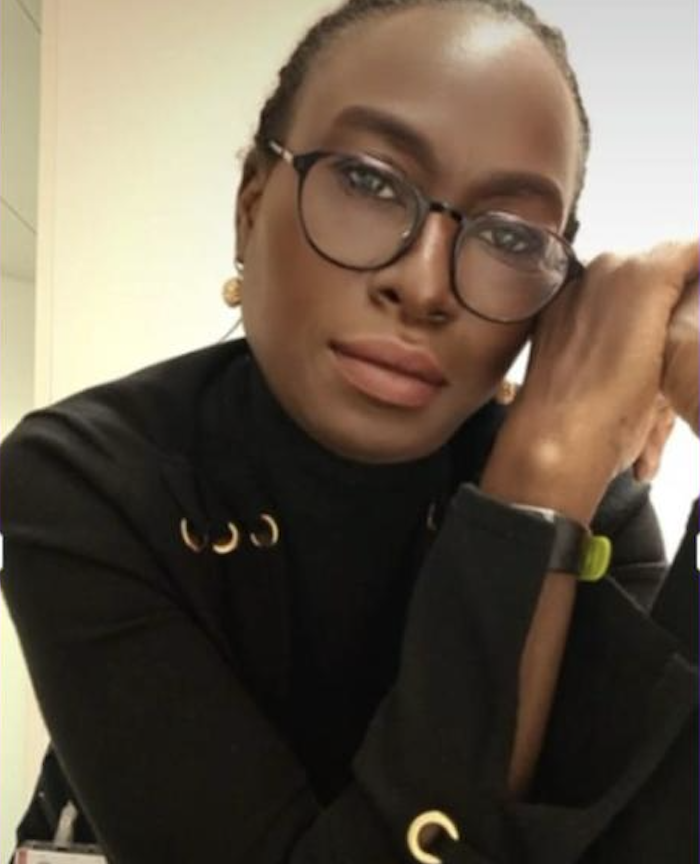
Femi: Why I do this
I finally said yes to Reuben because he told me he would do the work himself. All I needed to do was support him. I thought I would send him for proper NGO management training so he would know what it truly means to run an organization, and he would take it from there. I genuinely believed I would not need to roll up my sleeves.
"What I did not know was that it was a set-up. One that even Reuben was not aware of."
This work means more to me than I can put into words. I have cried over cases that stayed with me, and for people I could not reach fast enough. But doing this makes me happy in a way that nothing else does. I could do this full time without being paid a single penny, just to see someone's life change because I did not walk away.
The people we serve are not statistics. They are human beings and they are treated with dignity and respect, every single time. If that were me, would I not want someone to show up?
"To be kind, all you need to do is mentally swap places. Just mentally swap places."
Femi
Founder, Direct Impact Empowerment Foundation
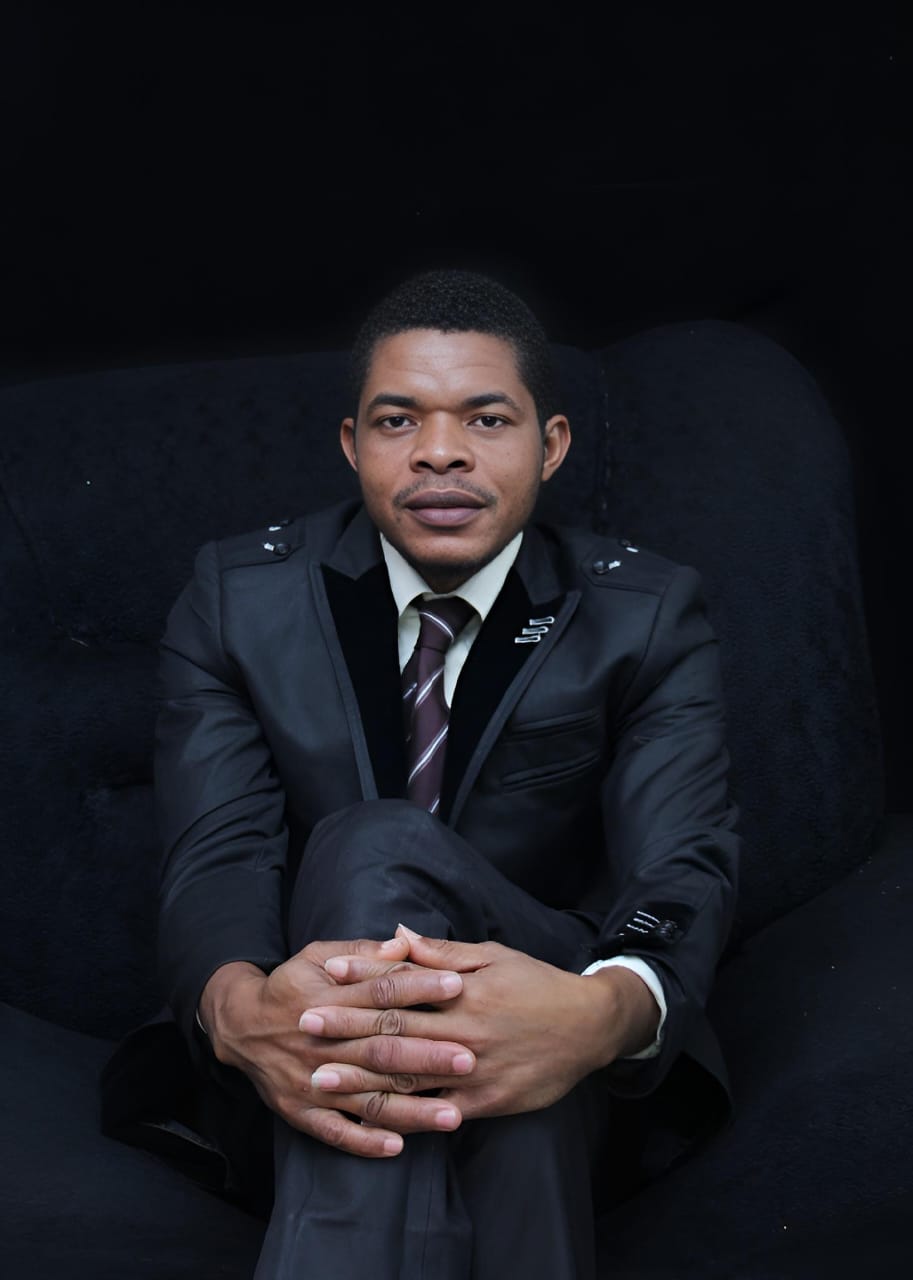
Reuben Eka: The man on the ground
When the platform we had both been part of fell apart, I approached Femi. Of everyone in that group, she was a giver. The same as me. The difference was that I was based in Nigeria and did not have much.
"She said she was going to send me for training. That training opened my eyes. I realized that what we had been doing before was not NGO work. We were just doing 'something.' But it was not this."
The journey has been long and tiring, but through Direct Impact, I have become respected in my community. People come to me with their problems and ask whether our organization can help.
"We know that what we are doing is scalable. If we achieved this with no external funding, imagine what becomes possible when support finally arrives."
Reuben Eka
Chief Executive Officer, Nigeria